


India–Japan Wellness Partnership: Redefining Global Healthcare on International Wellness Day 2026

On International Wellness Day 2026, the conversation around health is no longer just about treatment—it is about transformation. As the global wellness economy accelerates, a powerful synergy is emerging between India and Japan—where technology meets tradition, and innovation meets human well-being.

As the international community observes International Wellness Day today, 15 April 2026, the global discourse surrounding public health has decisively shifted from mere disease management to holistic well-being. The global wellness economy, now valued at trillions of dollars, sits at the intersection of economic resilience, demographic shifts and geopolitical strategy. Within this evolving landscape, the bilateral relationship between India and Japan presents one of the most compelling synergies in the modern international system. By marrying Japan’s mature $262 billion wellness economy and technological prowess with India’s double-digit market growth, demographic dividend and civilizational wellness heritage, New Delhi and Tokyo have the unique opportunity to engineer a paradigm shift in global health and wellness.

The Demographic and Psychological Asymmetry
To understand the potential of this partnership, we must first analyse the stark demographic and psychological asymmetries defining both nations. According to the 2025 Global Wellness Economy Monitor, Japan represents the world’s fourth-largest wellness market. However, it is also grappling with an unprecedented demographic crisis, with a rapidly aging population driving escalating healthcare costs and severe workforce shortages. Furthermore, recent McKinsey Health Institute data reveals a grim psychological landscape: Japan ranks at the bottom globally in employee well-being, scoring just 25%, driven by high stress and rigid, unsatisfying workplace structures, where over half the workforce exhibits signs of burnout.
India presents a fascinating counter-narrative. The Indian wellness market is exploding, registering an annual growth rate exceeding 11%. Psychologically, Indian respondents report remarkable levels of overall well-being- 81%, 79% and 78% across physical, mental and spiritual dimensions, respectively. Yet, India faces its own paradox: despite high overall well-being, it has the highest global prevalence of workplace burnout, at 59%.
This asymmetry is the foundation for strategic collaboration. Japan has the capital, quality assurance frameworks, a desperate need for a youthful caregiving workforce and affordable healthcare solutions. India has a massive demographic dividend, affordable tertiary care and a deep-rooted heritage of stress-alleviating traditional medicine, but requires technological integration and infrastructural investment.
The Institutional Framework: Building on the 2018 MoC
This wellness synergy does not exist in a policy vacuum; rather, it is the maturation of a formalized bilateral framework. The foundation for this integration was laid with the landmark 2018 Memorandum of Cooperation (MoC) in Healthcare and Wellness. This agreement explicitly aligned India’s flagship Ayushman Bharat program with Japan’s Asia Health and Wellbeing Initiative (AHWIN). The MoC transitioned abstract diplomatic goodwill into actionable policy directives- mandating the creation of Japanese language centers for Indian caregivers, establishing the India-Japan Innovation Hub, and promoting joint research integrating Indian Ayurveda with Japan's concept of ME-BYO (managing pre-symptomatic conditions). Today, the rapid expansion of the global wellness economy provides the commercial momentum required to fully operationalise the strategic vision outlined in this foundational directive.
Four main pillars of wellness cooperation are discussed in the following sections:
Pillar I: Medical Tourism and Transnational Healthcare
The most immediate area for bilateral integration lies in medical value travel. Japan’s universal healthcare system, while world-class, is straining under the weight of its aging population, resulting in prolonged wait times for elective and specialized procedures. Conversely, India has established itself as a global hub for medical tourism, a sector valued at $6 billion (in 2022), boasting over 38 JCI-accredited and 500 NABH-accredited hospitals.
Advanced procedures, ranging from robotic joint replacements to oncology and coronary artery bypass grafts (CABG), are delivered in India at more than 50% of the cost of developed nations.
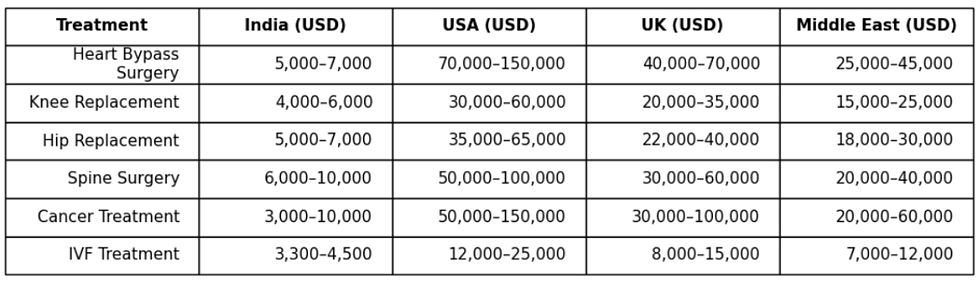
By formalising healthcare corridors, Japanese patients facing long elective waitlists could access timely, world-class care in India. This requires establishing curated networks of Indian hospitals equipped with Japanese-language concierges, dietary tailoring and seamless post-operative telemedicine follow-ups in Japan. Cross-border insurance frameworks could further institutionalise this, easing the financial burden on Japan's domestic health infrastructure while boosting India's service exports.
Pillar II: The Caregiver Corridor and Eldercare Innovation
Japan’s acute shortage of long-term care professionals threatens the sustainability of its eldercare system. Through regulated migration pathways like the Specified Skilled Worker (SSW) and Technical Intern Training Program (TITP), Japan has opened its doors and India is perfectly positioned to step in, fulfilling the mandate of the 2018 MoC.
India’s expanding working-age population offers a vast pool of potential nurses and caregivers. Establishing joint training academies in India where professionals are certified to Japanese service standards and trained in the Japanese language can create a robust, two-way workforce corridor. Beyond migration, there is immense potential in developing "Retiree Villages" within India. These communities, built to Japanese design, robotics and quality standards but operating at Indian costs, could provide high-quality, affordable long-term living and respite care for Japanese retirees.
Pillar III: Integrating Traditional Wellness and Preventive Care
On International Wellness Day, the focus naturally turns to preventative health. Four sectors currently dominate global wellness growth: wellness real estate, wellness tourism, personal care and healthy eating. Here, India’s civilizational assets such as Ayurveda, Yoga and Panchakarma align perfectly with Japan’s cultural emphasis on longevity, preventative care and traditional Kampo medicine.
This integration is not merely a theoretical framework; it is actively being deployed as a focal point of bilateral public diplomacy. A prime example occurred at the World Expo 2025 in Osaka, where India’s Ministry of Ayush spearheaded a massive outreach initiative at the India Pavilion. By hosting daily Yoga sessions and dedicated Ayush traditional medicine exhibitions over six months, India effectively projected its holistic health power to thousands of Japanese and international participants. Crucially, this event went beyond cultural soft power by including dedicated B2B roadshows, signalling a strategic push to secure Japanese investment and promote global commercial collaborations in Ayush-based healthcare products.

There is a strategic opportunity to develop integrated medical-travel products that combine Japan's advanced allopathic diagnostics with India's holistic rehabilitation. Middle-aged Japanese citizens and corporate workers suffering from severe stress and workplace dissatisfaction highlighted in the McKinsey report could benefit immensely from curated Indian wellness packages bundling advanced metabolic screenings with supervised Ayurvedic detoxification and ME-BYO management.
Pillar IV: Co-Innovation in Medical Technology and Supply Chains
The final pillar of this partnership rests on technological and pharmaceutical co-innovation. Japan’s mastery of medical robotics, imaging AI and eldercare devices can be synergized with India’s massive patient data sets and scaling capabilities. Regulatory cooperation between India's CDSCO and Japan's PMDA could accelerate approvals for joint products, such as affordable robotic walkers, fall sensors, and AI-based dementia monitoring systems manufactured under the "Make in India" initiative.
Furthermore, integrating Japanese elder-care applications with India’s Ayushman Bharat Digital Mission (ABDM) standards could enable seamless cross-border tele-consultations. On the pharmaceutical front, structured long-term purchase commitments from Japanese buyers could solidify investments in Indian Active Pharmaceutical Ingredient (API) parks, ensuring supply-chain resilience for both nations in an increasingly volatile global market.
Conclusion: A Blueprint for the Global South
The health and wellness challenges of the 21st century cannot be solved in isolation. The data clearly show that economic power alone does not guarantee high societal well-being or a sustainable healthcare infrastructure.
An India-Japan healthcare and wellness corridor creates a multi-dimensional matrix of mutual benefit. It offers reduced wait times and specialized care for the Japanese public, generates vital export revenue and employment for India and creates resilient medical supply chains for the broader Indo-Pacific region. As we reflect on the mandate of International Wellness Day, this bilateral synergy stands as a powerful blueprint. It demonstrates how nations can align their unique cultural, demographic and technological comparative advantages to transition from mere economic growth to genuine, shared human prosperity.
About the Author
Kaveri Jain is a doctoral researcher in International Relations at the Amity Institute of International Studies, Amity University, Noida. Her work focuses on India-Japan relations during the Shinzo Abe era. She has presented at academic conferences, published in peer-reviewed platforms and written on various aspects of India-Japan ties, including foreign policy, technology cooperation, cultural exchange, diaspora diplomacy and engagement in the Indo-Pacific region.


Comments