


Mithila Museum Japan: How Madhubani Art Found a Home in Snow Country
Tucked away in Japan’s snow-covered town of Tokamachi, an old school building holds a vibrant secret from India. The Mithila Museum is home to one of the world’s largest collections of Madhubani (Mithila) art, preserving a tradition that once adorned the mud walls of Bihar’s villages. Founded by Japanese art patron Tokio Hasegawa, the museum is more than an exhibition space—it is a living bridge between India and Japan, where ancient stories, women’s creativity, and cultural diplomacy quietly converge.

By Prachi Sah
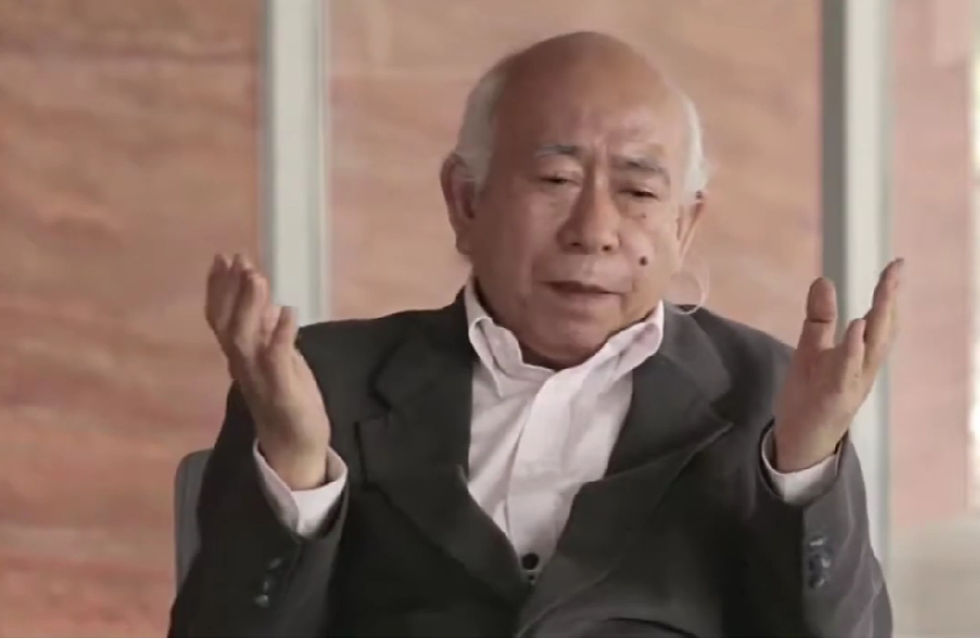
Deep in the "snow country" of Tokamachi, Niigata, where winter drifts can reach four meters high, an old building holds a surprising secret. The Oike Elementary School no longer rings with the sound of schoolbells; instead, its walls are alive with the sun-drenched, vivid colors of Mithila (Madhubani) art from India. The museum was the brainchild of Tokio Hasegawa, a descendant of a Samurai clan who found himself transformed by a trip to Bihar, India. While visiting the village of Madhubani, he encountered the work of legendary artists like Ganga Devi and Sita Devi (whom he famously dubbed the “Picasso of the East”). Hasegawa saw a deep connection between this Indian folk art and Japan’s own Ukiyo-e tradition. He remembered how Japan lost much of its precious Ukiyo-e heritage to foreign collectors during its era of Westernization and feared that Mithila art would face the same fate. To prevent this, he refused to sell the paintings he collected, choosing instead to build a sanctuary for them in 1982.
He is a great admirer of the Japanese art form, Ukiyo-e. During westernization of Japan, most of the precious paintings of Ukiyo-e were sold to the foreign collectors which are now difficult to bring back to Japan. He was afraid that this folk art might meet the same fate, hence, he refused selling the madhubani painting, instead built a museum which is now a home to one of the largest collections of Mithila painting in the world. He presently serves as the Director of the Mithila Museum, his efforts have immensely popularized this folk art throughout Japan and worldwide.
History - Madhubani or Mithila Painting
The origin of this folk art traces back to the period of Ramayana. On the occasion of his beloved daughter Sita's marriage to Lord Rama, the Mithila kingdom's then-ruler, King Janak, is said to have given the locals instructions to decorate the whole kingdom. This art form was created by the local craftspeople, who used it to paint the Kingdom's walls. This custom has been followed since then, with Mithila artwork adorning the walls to commemorate festivals, the couple's joyful and prosperous marriage, and the birth of a child.
For generations, Mithila painting lived as a quiet, sacred language shared among women, tracing its roots back to the legendary wedding of Sita and Lord Rama. Tucked away from the public eye, village women—primarily from the Brahmin and Kayastha communities—breathed life into their homes by painting directly onto freshly plastered mud walls and floors to celebrate the arrival of children, the union of marriage, and the rhythm of festivals.
This intimate world remained a hidden treasure until 1934, when a catastrophic 8.0 magnitude earthquake tore through Bihar. It was amidst this devastation that William G. Archer, a British officer with a deep love for art, caught sight of something extraordinary: vibrant murals revealed through the cracked, fallen walls of village homes. Deeply moved by their raw sophistication, he saw the same bold spirit and vivid color in these lines that the world admired in the works of Western masters like Picasso and Klee.
His 1949 feature in the journal ‘Marg’ finally gave this folk tradition the formal recognition it deserved, but the true turning point came during the hardships of a 1960s drought. A government initiative helped these women move their visions from crumbling walls to paper, a shift that not only preserved their spiritual practice but transformed it into a world-renowned art form. What began as a private ritual passed down between mothers and daughters has blossomed into a powerful force for change, empowering these women and elevating their status in society. Today, these "cosmic visions" have traveled from the mud walls of a small village to the international stage, finding a permanent sanctuary in places like the Mithila Museum in Japan
MUSEUM

The museum is housed in the converted Oike Elementary School, in the “cosmic forest” forest of Tokamachi. It was founded by Tokio Hasegawa in the year 1982, housing the largest collection of Madhubani Painting. The museum not only serves as the place for preserving the essence of the mithila art form but also protects the ecosystem by resisting the development of the vicinity. The snowy landscape of rural Japan served as a peaceful vicinity for the artist to create while living close to nature without any pressure of commercialization.
The museum is home to approximately 2000 mithila artworks which are exhibited permanently and about 300 of them were created by the artisan in Japan itself. Since 1988, the museum has extended invitations to Indian artisans to reside and work in Japan. Pseudo Walls created from bamboo to mimic the traditional mud walls of Indian villages for the artisans to express their art forms traditionally even in the modern setting of the museum. Apart from the Mithila artform of India, the museum also exhibits the Warli painting and the terracotta figurines. The Government of India encouraged and supported the efforts of the museum by donating 109 pieces of terracotta artifacts in the year 1989. The museum continues to widen its collection of artwork, giving an opportunity to several artists.

Mithila Museum serves as a foundation of Indo-Japan Relationship. The museum serves not only as the art exhibition, but also as the bridge between the two countries and culture, ensuring the legacy of the Mithila women continues to shine. Owing to the conservation of these cosmic visions, the tradition which once belonged to the mud walls and a token of celebration for a small village now belongs to the world.
The museum becomes a major attraction in Japan when it comes to experience the Indo-Japan Relationship, however, only those related to these artforms know about it. The museum is sometimes temporarily closed owing to the heavy snowfall. It is suggested to check the official website before visiting the museum.
About the Author

Prachi Sah is a first-year Master’s student in Japanese Language and Literature at the Centre for Japanese Studies, Jawaharlal Nehru University. Alongside her academic work, she practices Madhubani and Manjusha painting, traditional Indian folk arts that shape her artistic perspective. This grounding has fostered a deep engagement with Japanese art history, particularly Ukiyo-e, and the often-overlooked contributions of women artists such as Katsushika Oei and Iwami Reika. Through her work, she seeks to build a cultural dialogue between Indian folk traditions and Japanese visual aesthetics.


Comments